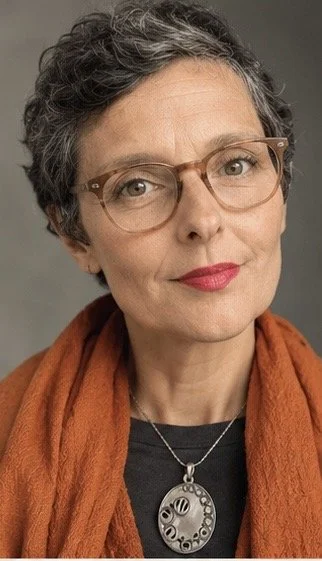
Sophie Buchaillard is a writer, former Wales Book of the Year finalist and Senior Fellow of the Higher Education Academy. She draws on transnational histories and her personal experience to write novels, critical essays and poetry about movement, motherhood and culture. Her work is shaped by migration, multilingualism and an ethic of witnessing, and explores belonging, inherited trauma and the responsibilities of language.
Assimilation / Honno
One family's story set against the backdrop of some of the biggest political and humanitarian events of the century.
A tale of unravelling family secrets, belonging, betrayal and inherited trauma, Assimilation will transport readers in time and place through one family’s history and struggle.
Charlotte, young and fiercely independent, desperately needs to escape the confines of her mother, Marianne’s expectations and a dreadful trauma. She leaves France and arrives in Wales, hoping to find peace and somewhere to rebuild her life.
Marianne, a mother with a colourful past, keeping a terrible secret, tries her best to conform to French middle class expectations.
In this stunning novel, Buchaillard takes us on an adventure pursuing spies, drug dealers and even a talking bear.
Reviews
Assimilation is a perceptive and compelling novel that invites the reader to seek out new ways of negotiating the labyrinth of personal and cultural identity. Sophie Buchaillard weaves her tale with skill and acumen, offering rare insights into migration, foreignness, family, and much else besides.
Richard Gwyn, The Colour of a Dog Running Away
The propulsive writing style is a joy to read in this easy-to-devour yet nourishing novel with its spartan yet incisive language and thoroughly engrossing multi-layered storylines of family, memory, and immigration—highly recommended!
O. Uyanik, Amazon
This is Not Who We Are / Seren Books
Shortlisted for the Wales Book of the Year 2023
In 1994 a young Rwandan woman and her brothers are caught up in the violent chaos that follows the assassination of the President. Meanwhile, in the present day, Iris – a journalist with a young family – searches obsessively for traces of Victoria, the pen-friend who disappeared during the Rwandan genocide thirty years before. As their lives interweave, both women have ghosts and secrets to confront, and must decide how to take responsibility for the past.
This is Not Who We Are blends elements of fiction and autobiography to explore vastly different perspectives on the tragedy of Rwanda and the experience of migration. The book is deeply compassionate and clear-sighted, and asks uncomfortable questions about European culpability for the violence while never losing sight of the human complexities of its characters.
Reviews
“There is no doubt that This is Not Who We Are will resonate with anyone who is interested in exploring topics such as identity, otherness, and the power of language, as well as those simply seeking a poignant and thought-provoking novel.”
Aline Moura, The Cardiff Review